
Transforming Home Insurance: The Rise of the Home Energy Revolution
Transforming Home Insurance: The Rise of the Home Energy Revolution
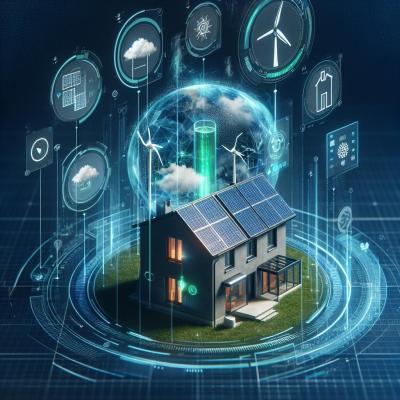
The adoption of home energy systems introduces new risk considerations, including potential economic losses from the necessity to procure alternative energy sources if systems are damaged and the complex logistics of accessing specialized repair services. Insurers are urged to refine their supply chains to handle components such as panels, inverters, home batteries, chargers, and smart meters effectively. They must also reassess how cash settlements are computed to address these novel risks, with additional consideration for third-party liabilities.
By 2035, product disclosure statements will likely incorporate clauses specific to home energy systems, suggesting a need for well-defined maintenance requirements. Optional covers might emerge, addressing accidental damage with provisions similar to current offerings, like temporary accommodation coverage when energy-related outages render a home uninhabitable.
Key questions highlighted by Finity include whether the home energy system should be explicitly covered under home building policies and if the insured sum should account for total energy system replacement. Additionally, there is an emphasis on the necessity for homeowners to disclose details regarding their energy systems during policy inception or renewal, ensuring accurate risk assessment and coverage.
In the aftermath of damage to energy systems, relying on the retail grid could incur significant expenses due to the reduced number of shared users. Finity hints at the development of an electric insurance policy to potentially mitigate retail market fluctuations, thus providing a financial safeguard.
Insurers also play a pivotal role in advocating for sustainable choices, such as replacing damaged gas-powered water heaters or vehicles with electric counterparts. This shift not only supports emission reduction goals but also exemplifies how the insurance sector can influence household decisions towards adopting zero-emission technologies.
Published:Thursday, 17th Jul 2025
Source: Paige Estritori
Share this news item:

|
AFCA Sides with Policyholder in Storm Damage Dispute 18 Jul 2025: Paige Estritori A recent ruling by the Australian Financial Complaints Authority (AFCA) has favoured a policyholder in a dispute with insurer Auto & General over storm damage. The case involved a collapsed ceiling, initially attributed to a storm by the insurer before an about-face led them to deny the claim. The AFCA decision marks a significant instance where consumer protection mechanisms have countered an insurer's attempt to deny coverage. - read more |

|
Transforming Home Insurance: The Rise of the Home Energy Revolution 17 Jul 2025: Paige Estritori The landscape of home insurance policies in Australia stands on the brink of transformation as an increasing number of homes, apartment complexes, and small businesses are projected to integrate solar panels and battery systems by 2050. According to a report from the actuarial consultancy Finity, these homes will evolve into independent power stations, generating and storing their own electricity, marking a pivotal shift in home energy management. - read more |

|
Life Insurers Reevaluate Amid Rising Mental Health Claims 16 Jul 2025: Paige Estritori In a growing industry concern, the Council of Australian Life Insurers has highlighted an alarming increase in mental health-related claims, which are now the leading cause of total and permanent disability (TPD) claims. The rise has driven insurers to reconsider their current practices and strategies to address this trend. - read more |

|
QBE Highlights the Importance of Adequate Landlord Insurance 15 Jul 2025: Paige Estritori Landlords in Australia have been advised by QBE Insurance Group to reassess their insurance coverage, following survey findings that indicate many could encounter financial hardships if their rental operations are interrupted. According to QBE's data, 38% of landlords might face financial challenges should their properties become uninhabitable or rental payments cease for a duration of two to six weeks. - read more |

|
Court Denies E-Scooter Negligence Allegation Against City Council 14 Jul 2025: Paige Estritori An Australian court recently ruled in favour of the City of Joondalup, rejecting a negligence claim lodged by an injured e-scooter rider. The Western Australia District Court found the city not liable for an accident involving insurance broker Kirstin Leibbrandt, who collided with a fence post while riding an e-scooter in the Perth suburb of Hillarys. - read more |
Explore Alternative Insurance Options
Discover trusted solutions from our family of brands:
Comprehensive Indemnity Insurance to Protect Your Professional Reputation